
How to Build and Maintain a Strong Healthcare Brand for Your Independent Practice

In today’s competitive healthcare landscape, independent practitioners face the unique challenge of not only delivering excellent care but also creating and maintaining a strong healthcare brand. A well-defined brand sets you apart from competitors, builds trust with patients, and ultimately drives your practice’s success. Here’s a comprehensive guide on how to build and maintain a solid healthcare brand for your independent practice.

1. Define Your Brand Identity

The first step in building a strong healthcare brand is defining who you are. What values guide your practice? What type of care do you want to be known for? Your brand identity should reflect your unique approach to patient care. To define your brand:

  • Identify your core values (e.g., compassion, innovation, patient-centered care).
  • Develop a clear mission statement that aligns with those values.
  • Understand the needs of your target audience, such as families, seniors, or chronic disease patients, and tailor your services to meet those needs.

For more tips on defining your identity as a solo practitioner, read our guide on building an independent practice.

2. Create a Strong Brand Promise

Your healthcare brand should communicate a clear promise to patients. This is the expectation you set for every patient interaction. A brand promise can range from providing compassionate care to offering cutting-edge treatments. It should be:

  • Specific and relevant to your audience.
  • Consistently delivered at every touchpoint, from initial inquiries to post-care follow-ups.
  • Authentic and achievable, building trust and credibility with patients.

To better understand how to maintain patient trust and loyalty, check out 5 ways to keep clients loyal.

3. Establish a Consistent Visual Identity

A strong healthcare brand is visually recognizable. Your logo, color scheme, and overall design should convey professionalism and trust. When patients visit your website or see your social media posts, they should immediately connect them with your practice. Consistency is key:

  • Use the same logo, fonts, and color scheme across all platforms (website, social media, printed materials).
  • Ensure your office environment reflects your brand’s identity, from signage to staff uniforms.
  • Invest in professional design to avoid appearing unpolished or disorganized.

Having a solid online presence is crucial for building a strong visual identity. Learn more about creating an online booking system to enhance your practice’s accessibility.

4. Leverage Digital Marketing and SEO

Digital marketing plays a crucial role in building your healthcare brand. Your website is often the first point of contact for potential patients, so it should clearly reflect your brand and offer a user-friendly experience. Here are some key elements to focus on:

  • Search Engine Optimization (SEO): Optimize your website with relevant keywords (such as “healthcare brand”) to rank higher in search engine results, making it easier for patients to find you.
  • Content Marketing: Publish informative blog posts, patient stories, and updates about your practice. Providing valuable content helps establish you as a thought leader in your niche.
  • Social Media: Regularly engage with your audience on platforms like Facebook, Instagram, or LinkedIn. Share health tips, patient testimonials, and behind-the-scenes content that aligns with your brand.

For more strategies on boosting your digital presence, read our article on SEO strategies for medical practice.

5. Deliver Exceptional Patient Experiences

Your healthcare brand is more than just a logo or a tagline; it’s about how patients feel when they interact with your practice. Consistently delivering high-quality care and positive experiences will solidify your brand’s reputation. To enhance the patient experience:

  • Implement smooth scheduling and follow-up processes using tools like patient portals.
  • Ensure your staff is trained to reflect the values of your brand, providing compassionate and efficient service at all times.
  • Actively seek patient feedback through surveys or online reviews and use that information to improve your services.

Consider using online forms to streamline the patient intake process and enhance the overall experience.

6. Build Strong Relationships within the Healthcare Community

Collaborations and partnerships can significantly enhance your healthcare brand. Building a network of referrals from other healthcare providers, such as specialists or rehabilitation centers, not only increases patient trust but also boosts your visibility within the medical community. Consider:

  • Partnering with local healthcare facilities for mutual referrals.
  • Offering educational seminars or workshops to showcase your expertise and strengthen ties with other professionals.
  • Engaging in local community events to raise awareness about your practice.

Learn how to maximize your practice’s potential by advertising your independent practice.

7. Monitor and Adapt Your Brand Strategy

Your healthcare brand should evolve as your practice grows and as patient needs change. Continuously monitor your branding efforts to ensure they resonate with your target audience. Track metrics such as:

  • Patient acquisition and retention rates.
  • Online engagement, including social media interactions and website traffic.
  • Patient satisfaction scores from feedback or reviews.

Make adjustments to your brand strategy as needed to stay relevant and competitive. Stay informed by reviewing best practices for managing patient data.

Conclusion

Building and maintaining a strong healthcare brand is essential for the long-term success of your independent practice. By defining your brand identity, delivering consistent patient experiences, and leveraging digital marketing, you can stand out in the competitive healthcare landscape. Remember, a strong brand is not just about what you offer, but how patients perceive you. Make sure your brand reflects the quality of care you provide, and your practice will thrive.

Ready to make the switch?

Try Our Platform Free for 14 days.

See CompanyOn in Action

Schedule A Free 1:1 Personalized Demo
Welcome to CompanyOn’s specialized foot care charting

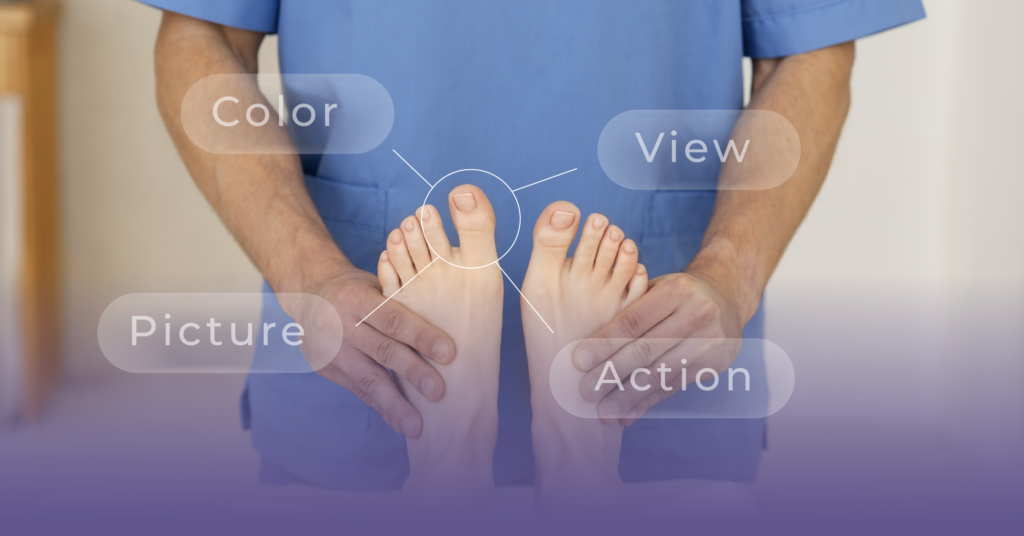
At CompanyOn, we offer a specialized foot care charting solution designed to help you document in detail the care you provide to your clients. With this tool, you can add photos and notes, making it easier to track the progress of your foot care treatments.

Let’s walk you through how it works.

Step-by-Step Guide to Using Foot Care Charting

  1. Access the Client Timeline
    Begin by heading to the timeline of your client and clicking on “Add a new entry”. This will allow you to start documenting the care provided. If you’re looking for ways to streamline client management further, explore our patient management software.
  2. Choose the Assessment Chart Template
    Next, select the assessment chart template that suits your care process. CompanyOn offers flexible tools to help you track every aspect of your client’s care. For healthcare providers managing multiple forms, check out our dynamic forms feature for seamless documentation.
  3. Three Ways to Record Care
    You have three options to document care, and you can choose the one that best fits your workflow:


    • SOAP Charting: This method helps you document Subjective, Objective, Assessment, and Plan aspects of the care provided. For more on how SOAP notes benefit your practice, read the importance of SOAP notes for massage therapy.
    • Foot 2D Diagrams: Our unique 2D foot diagrams allow you to visually mark areas of concern or treatment, adding more context to your notes.
    • Foot Risk Assessment Charting: This chart helps you assess and document the risk level of your client’s foot health, a key aspect in preventing complications.
  4. Save as Draft or Complete
    After recording the care provided, you can either save the entry as a draft to review later or mark it as complete. Keep in mind that once the entry is marked as complete, it can no longer be edited. For best practices on managing client data securely, visit our article on security and health privacy responsibilities.
  5. Support and Assistance
    If you have any questions while using the foot care charting tool, feel free to reach out to the CompanyOn support team. We’re always here to help ensure that your documentation process is smooth and efficient. You can also explore our resources on how to streamline patient intake processes for additional support.

And that’s it! You are now ready to record the care you provide using CompanyOn’s foot care charting tool. To learn more about how this tool can transform your practice and improve efficiency, visit our guide on maximizing healthcare practice efficiency.

For healthcare providers seeking a comprehensive solution to enhance patient care and streamline operations, try CompanyOn today with a free 21-day trial!

Ready to make the switch?

Try Our Platform Free for 14 days.

See CompanyOn in Action

Schedule A Free 1:1 Personalized Demo

Business Structure and Legal Considerations for a healthcare provider looking to build their own business

For many healthcare professionals, such as physicians, nurses, and other medical experts, the dream of establishing their own medical practice is a common goal. However, making this dream a reality requires a deep understanding of the business structure and legal considerations involved. This article offers a comprehensive guide to the business structures and legal aspects that healthcare providers should consider when building their own practice.

Business Structure and Legal Considerations for a healthcare providers looking to build their own business

Professional Corporation (PC)

A Professional Corporation (PC) is a common legal entity in healthcare that helps separate personal liability from the corporation. This structure ensures that the liability is limited to the corporation, protecting the owner’s personal assets. If you’re considering forming a professional corporation, it’s vital to understand how this structure interacts with your specific healthcare services. Learn more about building an independent practice and the best ways to structure your business.

Limited Liability Company (LLC)

Another popular option for healthcare providers is the Limited Liability Company (LLC). An LLC combines elements of partnerships and corporations, offering members protection from personal liabilities while still allowing them flexibility in managing taxes. Healthcare practitioners looking to attract new clients may find this structure appealing due to its tax benefits and flexible management style. Learn more about how this structure fits into the marketing of your independent practice.

Limited Partnership

A Limited Partnership offers a structure where one general partner has unlimited liability, while limited partners have liability up to the amount of their investment. This setup might suit healthcare providers who want to share financial responsibility with partners but limit personal risk.

Choosing the Right Business Structure

Choosing the appropriate business structure depends on several factors:

  • Personal Liability: If personal asset protection is a priority, consider an entity that offers limited liability protection, like a PC or LLC. You may also want to look at risk management strategies to ensure your practice is protected, as outlined in this guide on risk management for solo practitioners.

  • Business Income: Different structures come with different tax implications. The income you expect to generate may influence your choice. For example, understanding tax planning is crucial when forming your healthcare business.

  • Type of Practice: The nature of your healthcare practice, whether you are working solo or in partnership, should also affect your decision. For solo practitioners, resources like CompanyOn’s dynamic forms and scheduling tools can streamline business processes, helping you manage patient care efficiently.

Seeking professional advice from attorneys or accountants experienced in healthcare will provide valuable insight into the best structure for your business.

Tax Implications

Sole Proprietorship

In a Sole Proprietorship, business income is considered personal income, meaning taxes are paid at individual rates, which may be higher than corporate rates. This type of structure may suit smaller practices, but it’s essential to understand the tax disadvantages before committing. If you’re considering streamlining your business processes, such as invoicing, check out our invoicing guide for additional insights.

Partnership

In a Partnership, income is split among partners based on the partnership agreement, and each partner pays taxes on their share. The partnership itself doesn’t pay taxes. However, make sure to evaluate all legal and compliance requirements associated with partnerships in healthcare.

Corporation

One key benefit of a Corporation is the separation of personal and business income. The corporation pays taxes on profits, and shareholders pay taxes on dividends. This double taxation can be mitigated with an S Corporation, which allows profits to pass through to personal income, avoiding double taxation. More information about corporate advantages and invoicing processes can be found here.

Limited Liability Company

An LLC offers flexibility, as it can be treated as a sole proprietorship, partnership, or corporation for tax purposes. This structure allows you to choose the best tax arrangement for your practice while maintaining liability protection. Learn more about enhancing efficiency within your healthcare business with solutions like patient management software.

Province of BC – Business Structures Wizard Tool

If you’re in British Columbia, the Business Structures Wizard Tool provided by the province can help you make informed decisions about the best business structure for your healthcare practice. Use this tool to compare options and see how each structure aligns with your goals. Building a strong foundation is key to long-term success, and this tool can guide you through the initial setup process.

Legal Considerations

Regardless of the structure chosen, it’s important to understand that a legal entity is separate from its owners. This separation protects your personal assets from business liabilities. However, legal requirements can vary. For instance, Professional Corporations and LLCs have more paperwork and regulatory obligations than sole proprietorships or partnerships, leading to potentially higher legal and accounting costs. To make informed decisions, review our risk management strategies to ensure your practice is well-prepared.

Corporations and LLCs must file annual reports, maintain separate tax returns, and hold regular meetings. Understanding these ongoing requirements is critical as your healthcare business grows.

Conclusion

Choosing the right business structure involves balancing personal liability, tax implications, and management complexity. This article provides a foundation, but it’s essential to seek professional advice tailored to your situation. Understanding these aspects is a critical first step for any healthcare provider looking to start their own business.

For additional resources on launching and growing your healthcare practice, visit:

Additionally, if you’re seeking an efficient way to manage your healthcare practice, CompanyOn offers innovative tools tailored for healthcare professionals. Start with a free 21-day trial and experience the benefits of enhanced patient management and workflow optimization today!

Ready to make the switch?

Try Our Platform Free for 14 days.

See CompanyOn in Action

Schedule A Free 1:1 Personalized Demo

Decoding SOAP Notes: Why They Matter in Patient Care

Understanding the importance of SOAP notes is critical for healthcare professionals and patients alike. They serve as a fundamental method for documenting a patient’s status and medical information. With each patient encounter, these notes provide a comprehensive overview of the patient’s age, presenting problem, history of present illness, and current medications, among other essential details. This structured and widely adopted method of documentation, initiated by Dr. Lawrence Weed, has revolutionized patient care and clinical reasoning.

SOAP NOTES

What are SOAP Notes?

SOAP is an acronym that stands for Subjective, Objective, Assessment, and Plan. Each of these various components provides a compelling framework to document medical encounters accurately.

  • Subjective: This is the first section of the SOAP note, where the healthcare provider records the patient’s chief complaint. The patient’s or client’s subjective feelings, including symptoms and concerns, are documented here. This portion of the SOAP note relies heavily on the patient’s personal history, including their medical history, family history, and social history.
  • Objective: Objective information in SOAP notes refers to measurable and observable data gathered by healthcare professionals. It includes vital signs, physical examination findings, and lab or imaging results. The objective section provides an unbiased perspective on the patient’s status. For instance, if the patient’s chief complaint is chest pain, healthcare providers may document objective details such as blood pressure measurements and ECG results in this section. For more on managing and optimizing patient data, see How to Optimize EHR Documentation for Better Patient Outcomes.
  • Assessment: The assessment section of a SOAP note is where healthcare providers give a clinical impression or differential diagnosis based on the subjective and objective information gathered. The healthcare provider will assess the patient’s presenting problem and make note of the most compelling or most significant one. This section requires a deep level of clinical reasoning and knowledge. It is crucial in guiding the next steps in patient care.
  • Plan: The plan section is where healthcare providers outline the next steps for patient care. It could include prescribing medications, ordering further tests, referring the patient to specialists, or detailing a follow-up care plan. Learn more about effective follow-up strategies in How to Better Engage Your Clients by Leveraging Technology.

Why SOAP Notes Matter in Patient Care

SOAP notes are essential tools for healthcare providers as they enable efficient and clear communication among the team. By writing SOAP notes, healthcare professionals can share vital signs, medical notes, and patient information, facilitating better coordination and patient care.

In many settings, such as mental health clinics, these notes are well written and detailed, ensuring that patient progress is closely monitored. Social workers, for example, may use SOAP note format to document and report on a client’s status. For insights on maintaining professional standards in healthcare documentation, explore Are You Meeting Your Professional Obligations on Patient Care Documentation in Your Independent Practice?.

The History and Development of  SOAP Notes

The SOAP note format was developed by Dr. Lawrence Weed in the 1960s as part of the Problem Oriented Medical Record (POMR). Dr. Weed recognized the need for a standardized method of documentation that could be used across all healthcare settings. His goal was to create a system that would enhance the quality of patient care, ensure accurate communication among healthcare providers, and facilitate patient education.

SOAP Note Template: An Example

To fully understand how SOAP notes are written, let’s go through an example:

  • Subjective: Patient, a 55-year-old male, reports experiencing intermittent chest pain for the past two weeks. He describes the pain as a pressure-like sensation in the center of his chest that sometimes radiates to his left arm. He has a family history of heart disease. His current medications include a daily aspirin and a multivitamin. He does not smoke and consumes alcohol occasionally.
  • Objective: Upon examination, the patient appears in mild distress. Vital signs are stable: Blood Pressure 130/85, Heart Rate 75, Respiratory Rate 16, and Temperature 98.6 F. Chest exam reveals normal breath sounds with no abnormalities.
  • Assessment: Given the patient’s age, family history, and symptoms, the differential diagnosis would include coronary artery disease and angina. However, further testing is required to confirm the diagnosis.
  • Plan: Order an ECG and blood tests, including lipid profile and cardiac enzymes. Refer the patient to a cardiology specialist for further assessment. Advise the patient to avoid strenuous physical activity until further evaluation. Plan for a follow-up visit in one week.

For more on creating effective patient care plans, explore Essential Risk Management Strategies for Solo Healthcare Practitioners.

SOAP Notes in Different Healthcare Settings

While SOAP notes originated in the medical field, their use has expanded to many other health-related professions. For example:

  • Social Workers: Use SOAP notes to track a client’s progress, document interactions, and determine the effectiveness of interventions.
  • Mental Health Professionals: Use SOAP notes to document conversations with clients, the client’s mental status, and the treatment plan. Learn more about documenting mental health care in Maintaining Professional Boundaries.
  • Physical Therapists: Use SOAP notes to detail treatments provided, a patient’s response to therapy, and plans for future sessions.

Understanding the SOAP note format is vital for healthcare professionals as it promotes better communication, enhances patient care, and ensures a cohesive treatment plan.

Advantages and Limitations of SOAP Notes

SOAP notes provide a structured framework, which makes documentation more efficient. They support the provision of high-quality care by ensuring thorough documentation and facilitating communication among healthcare providers. However, they are not without limitations. They require a significant time investment and rely on the healthcare provider’s subjective judgment, particularly in the subjective and assessment sections.

Utilizing SOAP Notes for Effective Patient Communication

Clear and open communication is a critical aspect of healthcare. With the use of SOAP notes, healthcare providers can ensure they are adequately addressing the patient’s chief complaint and noting any relevant history or symptoms. This facilitates a dialogue between the healthcare professional and the patient, allowing them to be more involved in their care and understand the reasoning behind their treatment plan.

For more on improving patient communication, explore How to Better Attract New Clients and Engage Old Ones.

Adapting SOAP Notes for Telemedicine

With the growing shift towards telemedicine, SOAP notes have proved to be a valuable tool in this field as well. When providing care remotely, it can be a challenge to gather all necessary information. SOAP notes provide a clear and organized framework for virtual visits, ensuring all relevant information is documented and easy to communicate to other healthcare providers. Learn more about the role of SOAP notes in telemedicine in Virtual Consultations: The New Norm for Practices Post-Pandemic.

SOAP Notes and Medical Education

SOAP notes are also an essential tool in medical education. They teach students and trainees the importance of a structured approach to patient encounters and medical documentation. Learning how to write a comprehensive, yet concise SOAP note is a vital skill that all healthcare students must master.

SOAP Notes and Legal Documentation

In the realm of medical legality, SOAP notes act as a formal record of the patient encounter and can protect healthcare providers in cases of legal scrutiny or malpractice claims. Good documentation can be a strong defense in these situations, underscoring the necessity of thorough and accurate SOAP notes.

Future Directions in SOAP Note Documentation

With technological advancements and the increased use of electronic health records, SOAP notes will continue to evolve. While the fundamental structure is likely to remain, new features like integrated decision-support tools or AI-based suggestions could become prevalent. These changes will aim to improve patient care and enhance clinical reasoning while minimizing the time and effort required for documentation.

Conclusion

Understanding and effectively using SOAP notes is a crucial skill for all healthcare professionals. They help create a detailed, relevant, and chronological patient medical record. By decoding SOAP notes, one can gain insight into the patient’s health history, the healthcare provider’s clinical reasoning, and the planned course of action.

Related Resources:

Ready to make the switch?

Try Our Platform Free for 14 days.

See CompanyOn in Action

Schedule A Free 1:1 Personalized Demo

Services and Branding Strategies for a healthcare provider looking to build their own business

Establishing a successful healthcare practice involves more than providing excellent medical services. As a healthcare provider, you are not only a medical professional but also an entrepreneur navigating the highly competitive healthcare industry. One of the critical aspects to consider is crafting effective services and branding strategies for your healthcare business. This article delves into key considerations, providing practical cases and examples to guide your journey in the healthcare space.

Identifying Your Healthcare Niche

Your healthcare practice needs to address a specific need in the market. Understanding your target audience is a fundamental first step. For instance, are you providing home care services for elderly patients with chronic diseases? Or maybe your focus is pediatric care in a community with many young families?

  • Market Research: Understanding the healthcare landscape in your area of operation is crucial. Identify other healthcare providers and organizations offering similar services. Analyzing the competition will allow you to find a niche where your services will be in demand. For more on identifying market opportunities, explore Market Analysis and Niche Identification for a Healthcare Provider.
  • Patient Demographics: Understand the healthcare consumers in your chosen location. Consider factors such as age, health conditions, socioeconomic status, and lifestyle factors. Learn how to better understand and engage your patients in How to Better Engage Your Clients by Leveraging Technology.
  • Healthcare Services: Align the services provided with the identified niche. For example, if your target audience includes elderly patients with chronic illnesses, your services could include routine home visits, medication administration, health education, and telehealth check-ups. Explore more about optimizing your service offerings in Maximizing Efficiency: A Guide to Mobile Healthcare Practice Optimization.

Building Your Healthcare Brand

Your healthcare brand is not merely a name or logo; it is a promise to your patients. It represents your healthcare organization’s values, vision, and quality of care. Establishing a strong brand identity helps create patient loyalty and sets you apart from other healthcare organizations.

  • Brand Promise: This is the commitment you make to your patients. It defines what patients can expect from every interaction with your healthcare practice. Make it clear, achievable, and relevant to your patients’ needs. For example, see how Diane’s Footcare Practice emphasizes compassionate care as part of its brand promise.
  • Brand Personality: Your brand should evoke certain feelings and perceptions in your patients. Do you want your practice to be perceived as friendly, professional, innovative, or traditional? Your brand personality can be a significant differentiator in a crowded market.
  • Consistent Healthcare Branding: Consistency is key in building a strong brand. From your marketing materials to patient experience, ensure that your brand message is consistent across all platforms and touchpoints. Learn more about maintaining consistency in branding in Building Community Trust: Outreach Strategies for Healthcare Providers.

Crafting a Healthcare Marketing Strategy

Your healthcare marketing strategy is the roadmap for how you’ll attract and retain patients. It’s the practical application of your brand strategy, involving specific tactics and marketing channels to reach your target audience.

Healthcare Marketing Competition and Collaboration

While understanding the competitive healthcare landscape is essential, it’s equally important to explore opportunities for collaboration.

  • Collaborative Ventures: Explore potential partnerships with other healthcare organizations that share a common mission. These could be joint campaigns on social media, shared patient education workshops, or mutually beneficial referral systems. For inspiration, read Overcoming Challenges and Ensuring Success in Healthcare Compliance Management.
  • Competitive Advantage: Each healthcare business has unique strengths that distinguish it from others. Identify yours and leverage them in your marketing efforts to stand out from the crowd.

Developing a Healthcare Brand Strategy

After determining your brand identity, the next step is to create a healthcare brand strategy. This strategy should guide all brand-related decisions and initiatives to ensure consistency.

  • Brand Messaging: This refers to the underlying value proposition conveyed and the language used in your content. It should be tailored to resonate with your target audience and distinguish you from other healthcare providers. Learn more about developing effective messaging in Building Therapeutic Relationships with Clients: What to Consider.
  • Visual Identity: Your logo, color palette, typography, and images should reflect your brand’s personality. They should be consistently used across all marketing materials and platforms.
  • Brand Story: Your healthcare brand story should communicate who you are, what you believe in, and why you do what you do. It should be authentic, compelling, and connect emotionally with your target audience.

Patient Acquisition and Retention Strategies

In the healthcare business, attracting new patients and retaining existing ones is crucial for growth and sustainability.

  • Patient Satisfaction: High-quality healthcare services are vital for patient satisfaction. Ensure that all your medical professionals provide consistent care and service quality. Learn more about improving patient care in How to Better Attract New Clients and Engage Old Ones.
  • Patient Loyalty Programs: Consider implementing patient loyalty programs, which can incentivize repeat visits and encourage patient loyalty.
  • Patient Experience: The patient experience extends beyond the quality of healthcare services provided. It encompasses every interaction that a patient has with your healthcare business, from scheduling appointments to communication and follow-ups. Explore more strategies in Five Simple Ways to Attract New Clients.

Leverage Multiple Platforms

Having a multi-channel approach helps ensure that your marketing messages reach a broader audience.

  • Digital Marketing: This includes your website, social media, and email marketing. Optimize these channels for the best patient experience and to effectively convey your brand identity. Learn more about effective digital strategies in Virtual Consultations: The New Norm for Practices Post-Pandemic.
  • Traditional Media: While digital media is crucial, traditional media outlets still have a significant reach, especially among certain demographics. Consider print ads, radio spots, and television ads if appropriate and within budget.
  • Community Involvement: Participating in local community events or sponsoring charity initiatives can increase brand awareness and reputation within your local area. Learn more about integrating community efforts in How to Start Your Independent Medical Practice.

Performance Measurement

Finally, it’s crucial to measure the effectiveness of your branding and marketing strategies. This can involve tracking metrics like patient acquisition rates, patient retention rates, website traffic, social media engagement, and patient satisfaction scores. Based on these insights, you can continually refine your strategies to better meet the needs of your patients and achieve your business objectives.

In conclusion, building a successful brand requires a thoughtful strategy, a deep understanding of your target audience, and consistent execution across all aspects of your business. With a compelling brand, healthcare providers can stand out in a highly competitive industry, attract and retain patients, and most importantly, improve the quality of care they provide.

Related Resources:

Ready to make the switch?

Try Our Platform Free for 14 days.

See CompanyOn in Action

Schedule A Free 1:1 Personalized Demo