
How Much Thought Have You Put Towards Risk Management of Your Practice And Business?

As self-regulated healthcare professionals, nurses carry both clinical and business responsibilities. If you’re running your own private practice, risk management isn’t an optional extra—it’s integral to maintaining high-quality care, protecting your license, and preserving your reputation.

From performance measurement and compliance to client empowerment, risk management allows you to operate your business safely and sustainably. In this guide, we explore six key initiatives that will help reduce your exposure to risk and elevate the quality of your care.

Why Risk Management Matters in Healthcare Practice

Risk management in healthcare means identifying, assessing, and controlling threats to patients, staff, data, and operations. For solo practitioners and small clinics, common risks include:

  • Clinical documentation errors
  • Delayed or incorrect invoicing
  • Data privacy breaches
  • Lack of emergency protocols
  • Legal liability from adverse outcomes

By implementing structured strategies, you not only protect your business, but also improve patient satisfaction and regulatory compliance.

Learn more about how CompanyOn helps streamline clinical documentation and compliance.

Six Key Initiatives to Reduce Risk in Your Practice

1. Regular Risk Assessments & Audits

Conduct internal reviews of your workflows, patient records, billing processes, and documentation. Use simple audit tools to spot gaps before they become liabilities. Ideally, conduct reviews quarterly and after any major incident.

2. Clear Policies, Protocols & SOPs

Document how things should be done—from intake to discharge. Standard Operating Procedures (SOPs) minimize variability, reduce errors, and make it easier to onboard new staff as you grow.

Need a digital tool to keep your SOPs accessible? See how CompanyOn’s cloud-based system supports your operations.

3. Education & Ongoing Training

Stay current on best practices and regulatory changes. Offer regular refreshers on documentation, privacy, infection control, and cultural competence—especially if you work with diverse populations.

4. Data Security & Privacy Safeguards

Use encrypted platforms, strong passwords, and secure backups. Comply with your local privacy laws (like PHIPA or HIPAA) and review access logs regularly.

Explore how CompanyOn helps you manage patient information securely and in compliance.

5. Incident Reporting & Root Cause Analysis

Encourage staff (or yourself) to report issues without fear. Track what went wrong, why it happened, and how to prevent it again. This builds a culture of transparency and safety.

6. Oversight, Governance & Accountability

Define who is responsible for what in your practice. Whether you work alone or with a small team, assign roles clearly and document them. Oversight ensures follow-through on audits, protocols, and reviews.

Make Risk Management Part of Your Daily Workflow

Risk management should feel integrated—not overwhelming. Here are ways to embed it into your routine:

  • Use digital checklists for weekly reviews
  • Schedule a 15-minute monthly risk meeting (even if it’s just you!)
  • Automate reminders for renewals, audits, and compliance deadlines

Want to automate key workflows? Discover CompanyOn’s all-in-one solution.

When to Seek Professional Advice

This guide is designed to raise awareness, but it’s not a substitute for legal or regulatory guidance. Always check with your professional college or a legal advisor for decisions that affect your practice, especially related to scope of practice, licensing, or serious incidents.

You’re Not Alone: Let CompanyOn Help

CompanyOn was built to support healthcare entrepreneurs. Whether you’re just getting started or scaling your clinic, we help you build a safe, compliant, and future-ready practice.

📩 Have a topic you want us to cover? Email us at support@companyon.ca
📚 Or check out our latest resources on risk management strategies and documentation best practices.

Stay safe, stay smart—and keep growing with confidence.

Ready to make the switch?

Try Our Platform Free for 14 days.

See CompanyOn in Action

Schedule A Free 1:1 Personalized Demo

From Spreadsheets to Success: Why Your Practice Needs a Clinical Management Software Now

Many independent healthcare providers—especially those just starting out—began managing their practice using tools like Excel or Google Sheets. While it may have seemed like a practical and low-cost solution, over time, these methods become inefficient, insecure, and limiting.

Today’s patients expect a professional experience that includes automated reminders, online forms, digital payments, and secure access to their information. If you’re still relying on scattered files, paper calendars, or folders full of documents, this article is for you.

You’ll learn how moving from manual systems to a clinical management platform not only saves time but also improves the quality of care, boosts revenue, and minimizes administrative errors.

💸 The Hidden Costs of Running a Clinic on Spreadsheets

Using spreadsheets might seem cost-effective, but there are many hidden losses:

  • Data entry errors: A single typo can lead to billing issues or clinical mistakes.

  • Lack of integration: Excel doesn’t connect to your billing, forms, or scheduling tools.

  • Weak security: It doesn’t comply with regulations like PHIPA, PIPEDA, or HIPAA.

  • Delayed care: Searching for or correcting data wastes valuable clinical time.

👉 Recommended: Strategies to Reduce Errors in Digital Clinical Documentation

💻 What Is Clinical Management Software and Why It Matters Now

Clinical management software is an all-in-one solution that centralizes your appointments, documentation, billing, patient communication, and compliance in a single secure platform.

Instead of juggling multiple files or tools, you have everything you need in one place—accessible from any device, anytime. Plus, it automates critical tasks such as:

  • Patient reminders

  • Digital intake forms

  • Billing and payment reconciliation

  • Consent forms and clinical documentation

👉 Learn more about the benefits of CompanyOn’s clinical management platform

🚩 5 Signs Your Practice Is Ready to Go Digital

  • You constantly search through files to find patient info.

  • You still take notes by hand and enter them later (doubling your workload).

  • Invoices are late or frequently inaccurate.

  • You’re unsure whether your processes are compliant.

  • Admin work is taking time away from patient care or business growth.

👉 Read: Optimizing Your Practice’s Workflow with Smart Technology

🔍 How to Choose the Right Clinical Management Software

Before replacing Excel with a professional system, make sure the software offers:

  • Compliance: Ensure it meets PHIPA, PIPEDA, and HIPAA standards.

  • Automation: Includes tools for billing, reminders, e-forms, and digital consents.

  • User-friendly interface: Easy for both you and your patients to navigate.

  • Local support: Ideally based in Canada or North America.

  • Scalability: The platform should grow with your business.

👉 Complete guide: What to Look for in a Software Partner


🛠️ How CompanyOn Makes the Transition Seamless (and Stress-Free)

CompanyOn was designed specifically for solo practitioners and small clinics ready to grow without added complexity. Here’s how we help:

  • Eliminates disorganized spreadsheets.

  • Automates billing and payments to help you get paid faster.

  • Digitizes forms and consents in just a few clicks.

  • Reduces cancellations with automated appointment reminders.

  • Ensures privacy compliance, protecting your business and your clients.

👉 Explore the full platform: CompanyOn Product Feature


✅ Conclusion

Managing a modern healthcare practice on spreadsheets is no longer sustainable. What may have worked at the beginning is now holding you back. Clinical management software allows you to deliver better care, reduce risk, and build a thriving, future-ready practice.

Ready to leave spreadsheets behind and move toward digital success?
Let CompanyOn help you transition with ease, clarity, and confidence.

Ready to make the switch?

Try Our Platform Free for 14 days.

See CompanyOn in Action

Schedule A Free 1:1 Personalized Demo
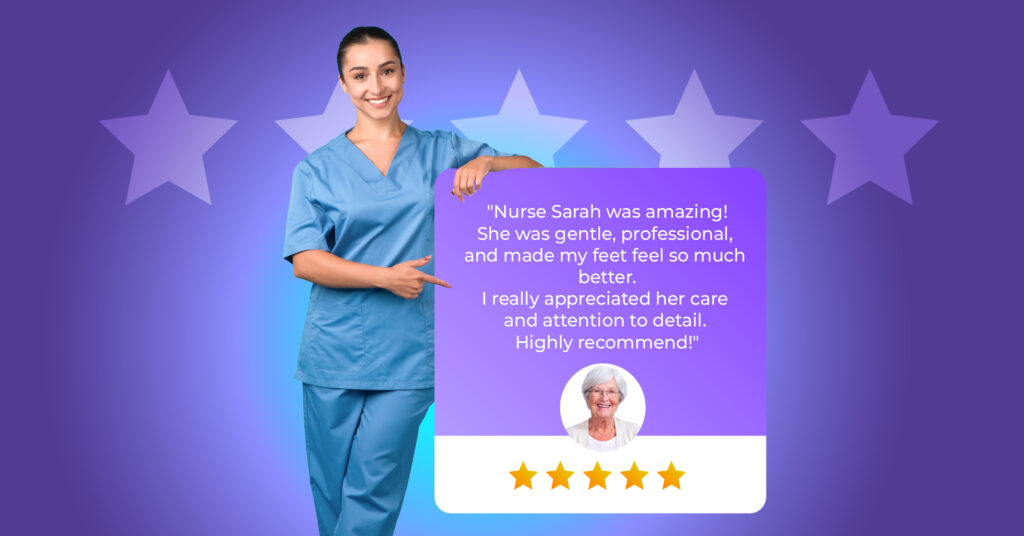
How to Turn Patient Testimonials Into a Powerful Digital Marketing Tool

In today’s competitive healthcare landscape, trust is everything. Before booking an appointment, potential patients often search for social proof — and patient testimonials are one of the most persuasive forms of it. For solo practitioners, nurse entrepreneurs, and small clinics, leveraging testimonials is a cost-effective way to build trust, reinforce credibility, and attract more patients online.

But how do you collect and present testimonials effectively? And how can you transform them into a real growth engine for your clinic?

Let’s explore practical strategies to turn kind words into powerful marketing assets.

CompayOn APP

Why Testimonials Matter in Healthcare Marketing

Patient testimonials do more than flatter — they:

  • Build credibility with new patients.

  • Humanize your brand and care philosophy.

  • Increase conversion rates on your website or booking page.

  • Improve visibility on search engines (when optimized).

According to healthcare marketing research, testimonials can increase engagement and appointment bookings by up to 25% when featured prominently.


How to Collect Great Testimonials (Without Being Pushy)

Here are simple, ethical ways to encourage clients to share their experiences:

  • Use automated follow-up emails after appointments to request feedback (CompanyOn’s automated patient communication makes this easy).

  • Include a link to an online form where patients can leave their reviews securely. See our online forms and eConsent templates.

  • Offer a small incentive (e.g., a free resource or health tip sheet) as a thank you for their time.

  • Ask specific, open-ended questions like:

    • What made you choose our clinic?

    • How has your care experience improved your daily life?

    • Would you recommend us to others?


Where to Showcase Testimonials for Maximum Impact

Use testimonials strategically across all your digital channels:

  • On your homepage or clinic landing page.

  • Within blog articles (especially those related to patient care or service benefits).

  • On your Google Business profile and social media.

  • In email newsletters and patient onboarding campaigns.

  • Inside your booking system to boost confidence at the decision-making moment.

💡 Tip: Use first names and images (with consent) to boost authenticity.


Turn Testimonials Into Multimedia Content

Don’t limit testimonials to text. Repurpose them into:

  • Video snippets for Instagram or YouTube.

  • Quote graphics for Facebook and LinkedIn.

  • Case studies showing before-and-after journeys. (Check out Diane’s success story).


How CompanyOn Helps You Leverage Testimonials

CompanyOn is designed for solo practitioners and small clinics looking to scale their patient base with smart, ethical marketing. Here’s how we help:

  • Integrated feedback tools to collect testimonials digitally.

  • Secure digital forms that streamline consent and collection.

  • Marketing automation to share patient stories on your channels.

  • Customizable booking and landing pages where testimonials boost conversions.

Explore more in our guide to digital marketing strategies for clinics.


Final Thoughts

Testimonials are more than compliments — they’re digital trust signals that turn browsers into booked patients. By gathering and showcasing your patient stories with care and authenticity, you can strengthen your healthcare reputation, differentiate your clinic, and reach more people who need your help.

Now’s the time to start collecting those stories and letting your patients do the marketing for you.

Ready to make the switch?

Try Our Platform Free for 14 days.

See CompanyOn in Action

Schedule A Free 1:1 Personalized Demo

How To Building a Successful Customer Referral Program

One of the most effective ways to grow your practice is by turning satisfied patients into advocates. When your clients are happy, they naturally talk about your services — and that word-of-mouth can be one of your most powerful marketing tools.

In fact, referrals account for 20% to 50% of most purchasing decisions, especially for small businesses and health practices in growing or competitive markets.

A customer referral program formalizes this process. Instead of waiting for spontaneous mentions or online reviews, it encourages your existing clients to actively refer your clinic to friends, colleagues, or family — often in exchange for a small incentive.

But how do you motivate clients to refer your services? And how do you make that process simple, professional, and effective?

While many small healthcare businesses hesitate to launch a referral program due to cost or uncertainty, the truth is: a well-designed referral strategy can deliver high ROI with minimal investment.

To help you get started, we’ve compiled proven best practices and ready-to-use templates from HubSpot that will guide you step by step. Whether you’re just starting out or looking to optimize your current strategy, this resource will help you build a referral program tailored to your clinic’s needs.

Related Resources to Support Your Growth:

A smart referral program, combined with the right technology, can transform your practice’s growth trajectory — all while reinforcing trust and satisfaction among your patients.

Ready to make the switch?

Try Our Platform Free for 14 days.

See CompanyOn in Action

Schedule A Free 1:1 Personalized Demo

Long-Term Patient Loyalty Strategies: Beyond Repeat Appointments

In today’s competitive healthcare environment, patient loyalty goes far beyond making sure someone books their next appointment. True loyalty is about building long-term trust and engagement, ensuring that patients not only come back but also recommend your services to friends and family.

For solo practitioners and nurse entrepreneurs, mastering loyalty is a cornerstone of growth. According to industry studies, it costs up to five times more to acquire a new patient than to retain an existing one. That’s why creating structured loyalty strategies is just as important as offering excellent care.

If you’re wondering how to get started, the first step is to streamline your processes so patients always experience clarity and reliability. For practical tips, explore our guide on how to avoid losing patients due to disorganized processes.

companyOn

1. Go Beyond Clinical Care With Loyalty Programs

Loyalty in healthcare doesn’t need to be transactional—it should be value-driven. Programs can include:

  • Priority scheduling for long-term patients.

  • Discounts on bundled care packages (for example, foot care plus follow-up check-ins).

  • Wellness memberships that encourage preventive care.

Unlike retail loyalty cards, these initiatives reinforce the message that you care about patients’ long-term health. To learn more about sustainable revenue models, check out our article on profitable home care services every nurse entrepreneur should offer.


2. Educate to Empower

Patients who feel informed are more likely to trust you and remain loyal. Consider implementing:

  • Monthly newsletters with tips relevant to your niche (chronic care, post-op, or foot care, for example).

  • Workshops or short online sessions that address common patient concerns.

  • Digital resources such as guides or forms that patients can access anytime.

Building trust through ongoing education also positions you as a thought leader in your community. For inspiration, explore how creating a strong online presence boosts visibility and credibility.


3. Make Proactive Follow-Up the Norm

A key differentiator in patient experience is how you handle follow-up. Don’t wait for patients to reach out—establish a proactive communication system:

  • Send automated reminders not only for appointments but also for post-care check-ins.

  • Use surveys to gather feedback after every visit and improve continuously.

  • Keep track of patient progress through digital tools that simplify records and reporting.

For practical solutions, see how appointment reminders reduce no-shows while strengthening patient engagement.


4. Focus on the Full Patient Journey

Loyalty is not built in a single interaction. It’s the result of a consistent experience across the entire journey—from the first onboarding to long-term care. Mapping this journey can reveal pain points you may not have noticed before, such as confusing billing processes or long wait times.

To better understand how to improve the patient flow, our article on streamlining the patient intake process is a great place to start.


5. Deliver a Personalized, Human Touch

Technology is key for efficiency, but loyalty grows when patients feel personally cared for. Use notes in your digital records to remember details like birthdays, care preferences, or family situations. Small gestures can have a big impact on loyalty.

When balanced with the right tools, personalization leads to a smoother, more efficient workflow. Learn more in our guide on optimizing your practice with smart technology.


Building Loyalty Is Building Your Future

Loyalty is more than just patient satisfaction; it’s about creating lasting relationships that help your practice grow sustainably. By investing in loyalty programs, education, proactive follow-up, and personalization, you’ll not only retain patients—you’ll transform them into advocates for your business.

If you’re ready to strengthen your long-term growth, start by reviewing your workflows and adding digital tools that support both efficiency and patient trust. Explore how to maximize client acquisition and retention with strategies built for independent practitioners.

Ready to make the switch?

Try Our Platform Free for 14 days.

See CompanyOn in Action

Schedule A Free 1:1 Personalized Demo