
Online Booking: The First Step to Running a Professional Health Practice

In today’s digital-first world, how clients book their appointments is just as important as the care they receive. For therapists, massage practitioners, and wellness professionals, online booking is no longer a luxury—it’s a foundational step in running a professional, scalable practice.

If you’re still relying on phone calls, back-and-forth texts, or paper calendars, you’re not only losing valuable time—you’re likely losing clients too.
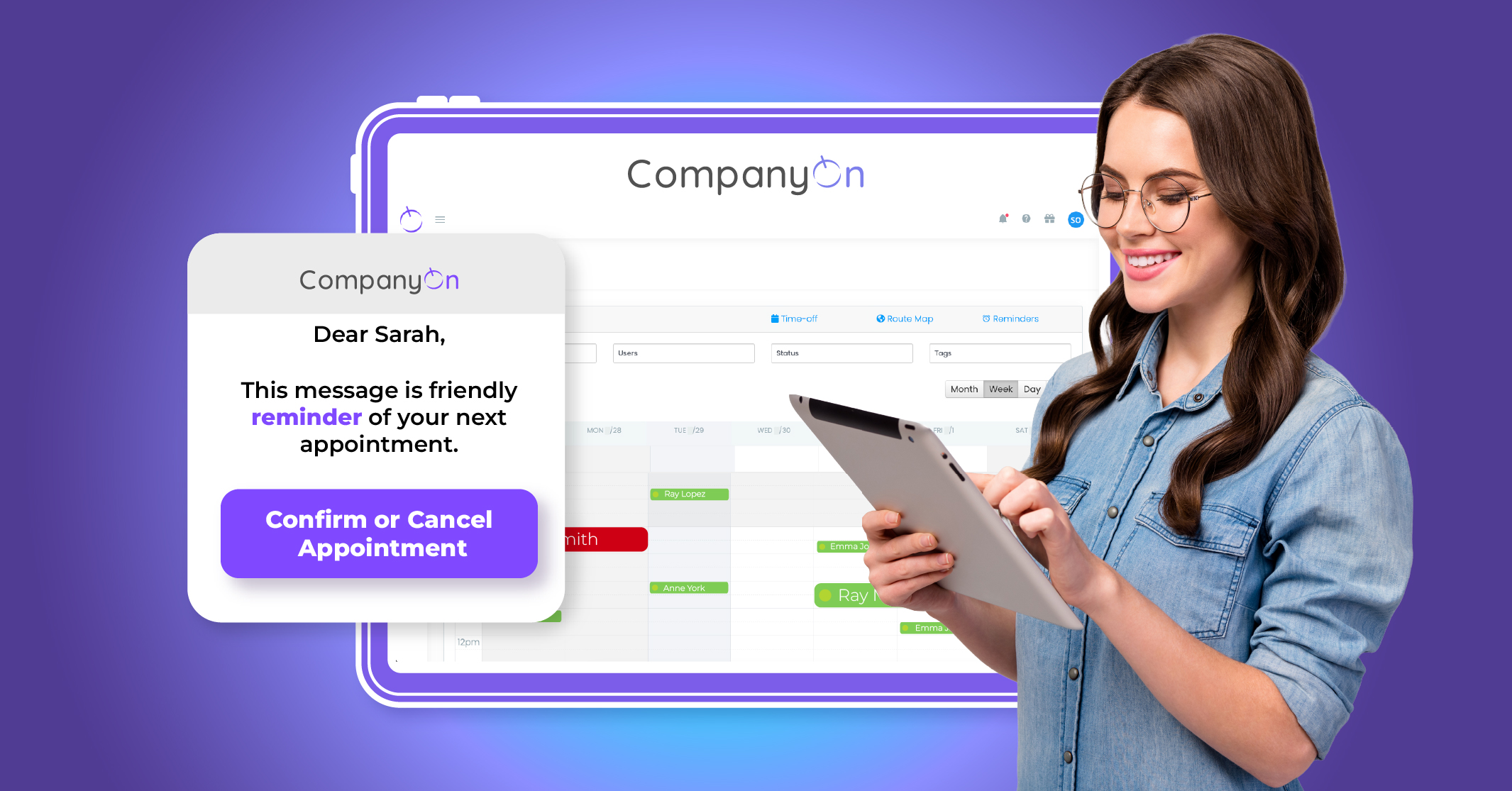
online booking for therapists

The Problem with Manual Booking

Manual booking systems are a hassle—for both you and your clients. Missed calls, double bookings, scheduling errors, and administrative backlogs all add friction to your business operations.

Every time a client has to chase you down to confirm an appointment or reschedule manually, they’re given a reason to delay—or worse, look elsewhere.

A well-designed online booking system solves this by offering a smooth, convenient, and self-service scheduling experience.

Why Online Booking Is a Game-Changer for Therapists

Let’s be clear: online booking for therapists isn’t just about convenience—it’s about credibility and control. Here’s how it helps elevate your practice:

  • 24/7 availability: Clients can book anytime, even after business hours.

  • Fewer no-shows: Automated reminders reduce forgotten appointments.

  • Improved workflow: Syncs directly with your calendar, patient files, and even billing.

  • Professional image: Modern tools signal trust and reliability.

For more on reducing missed appointments, check out: 3 Ways to Reduce No-Show Rates Within Your Practice


Enhancing the Patient Experience from the Start

Your booking system is often the first point of contact with a new client. A clunky or outdated process creates a poor first impression—and in healthcare, first impressions matter.

With platforms like CompanyOn, patients can:

  • See your real-time availability

  • Book appointments instantly

  • Receive confirmations and reminders

  • Reschedule or cancel online if needed

Pair that with features like digital intake forms and e-consents, and you’re delivering a frictionless experience that builds trust from day one.


Save Time, Focus on Care

Therapists are busy enough managing client sessions, documentation, and continuing education. Wasting hours on phone calls or scheduling logistics is an unnecessary drain.

By automating your booking process, you free up mental bandwidth and admin time—allowing you to focus on what really matters: your clients’ wellbeing.

Want to go a step further? Learn how to optimize your clinic’s workflow with smart technology


Real Impact: From Solo Practitioner to Streamlined Operations

Therapists using CompanyOn’s booking feature often report:

  • Increased appointment volume

  • Fewer cancellations and missed sessions

  • A more professional online presence

Whether you’re just starting out or managing a full caseload, a reliable online booking tool is one of the simplest ways to look more established—and operate more efficiently.

Need proof? Check out this article on how to improve patient retention with digital tools.


Final Thoughts

If you want to run a modern, client-friendly, and growth-ready therapy practice, online booking is your first step. It improves the patient experience, reduces your workload, and sets a professional tone for everything that follows.

The best part? It doesn’t require a tech team or a big investment.

👉 Ready to make the switch? Start your free trial or book a demo with CompanyOn today and take the first step toward a more streamlined, professional practice.

Ready to make the switch?

Try Our Platform Free for 14 days.

See CompanyOn in Action

Schedule A Free 1:1 Personalized Demo

How to Build Patient Loyalty in Long-Term Therapy and Chronic Care

In today’s fast-paced healthcare landscape, hands-on practitioners such as massage therapists, reflexologists, and manual therapists can no longer afford to rely on outdated systems like paper-based documentation. Whether you’re running a solo practice or managing a growing clinic, digital clinical notes for therapists aren’t just a convenience—they’re a cornerstone of operational efficiency, professional compliance, and exceptional patient care.

Let’s explore why making the switch to digital is not just a smart move, but a strategic one.

patient retention

Paper Notes: A Hidden Liability

Paper notes might seem harmless, but they come with significant hidden costs: misplaced files, illegible handwriting, inconsistent formats, and time wasted sorting through archives. For practitioners balancing back-to-back appointments, these inefficiencies add up quickly—and often result in compromised documentation, compliance risks, and lost revenue.

By contrast, platforms like CompanyOn’s charting system offer structured, searchable, and secure alternatives. Therapists can easily log SOAP notes, upload treatment histories, and retrieve records in seconds—all within a clean, digital workspace that integrates seamlessly with booking, billing, and patient communication.


Security and Legal Compliance, Built-In

The healthcare sector is governed by strict privacy laws, particularly in Canada where PHIPA and PIPEDA define clear responsibilities around the collection, storage, and use of client data. Relying on physical folders is not only inefficient—it’s risky.

CompanyOn’s patient management software is designed with security at its core. Features include:

  • Password-protected user access

  • Encrypted cloud storage

  • Real-time audit logs for record edits

  • Automated backups for disaster recovery

This means your documentation doesn’t just look professional—it meets or exceeds legal requirements, protecting both you and your clients.


Enhancing Clinical Accuracy and Continuity of Care

Manual therapy often involves long-term, relationship-based care. Documenting progress accurately is crucial—not only for clinical outcomes but for client confidence and satisfaction.

With digital notes, you can:

  • Review a client’s treatment history before each session

  • Use standardized templates to reduce omissions

  • Add SOAP notes directly during or after appointments

  • Collaborate with colleagues or refer patients with clarity

If you’re aiming to boost the quality and accuracy of your documentation, this resource is worth bookmarking: How to Optimize EHR Documentation for Better Patient Outcomes


A More Professional and Patient-Centric Experience

Your documentation process is part of the overall client experience. Today’s patients expect secure, seamless, tech-enabled interactions—especially when entrusting their health to a hands-on provider.

Digital systems empower patients with:

  • Pre-appointment intake forms and secure e-consents

  • Automatic appointment confirmations and reminders

  • Access to treatment summaries via a patient portal

This creates an environment of transparency and trust—crucial for patient retention in a competitive landscape. You can read more here: How to Improve Patient Retention with Digital Tools


Real-World Proof: A Reflexology Clinic’s Transformation

Consider the example of a small reflexology clinic in Ontario that transitioned from paper to digital using CompanyOn’s system. Within weeks, the team reported:

  • A 40% reduction in time spent on charting

  • Fewer appointment gaps due to automated scheduling

  • Improved client communication and follow-up consistency

“It’s not just about ditching paper—it’s about working smarter, staying compliant, and giving our clients the seamless experience they deserve,” shared the clinic’s owner.

Want more examples? Discover how other therapists are transforming their businesses in this success story.


Final Thoughts: Digital Notes as a Competitive Advantage

For manual therapy practitioners, digital clinical notes represent more than just technology—they are a foundational element of a modern, patient-centered practice. From reducing administrative burden and staying legally compliant to enhancing patient trust and clinical accuracy, the benefits are tangible and immediate.

If you’re still relying on paper files, now is the time to rethink your systems. Digital notes aren’t just about documentation—they’re about differentiation.

👉 Ready to streamline your practice and offer a more professional experience? Book a free demo with CompanyOn and discover how easy it is to transition.

Ready to make the switch?

Try Our Platform Free for 14 days.

See CompanyOn in Action

Schedule A Free 1:1 Personalized Demo
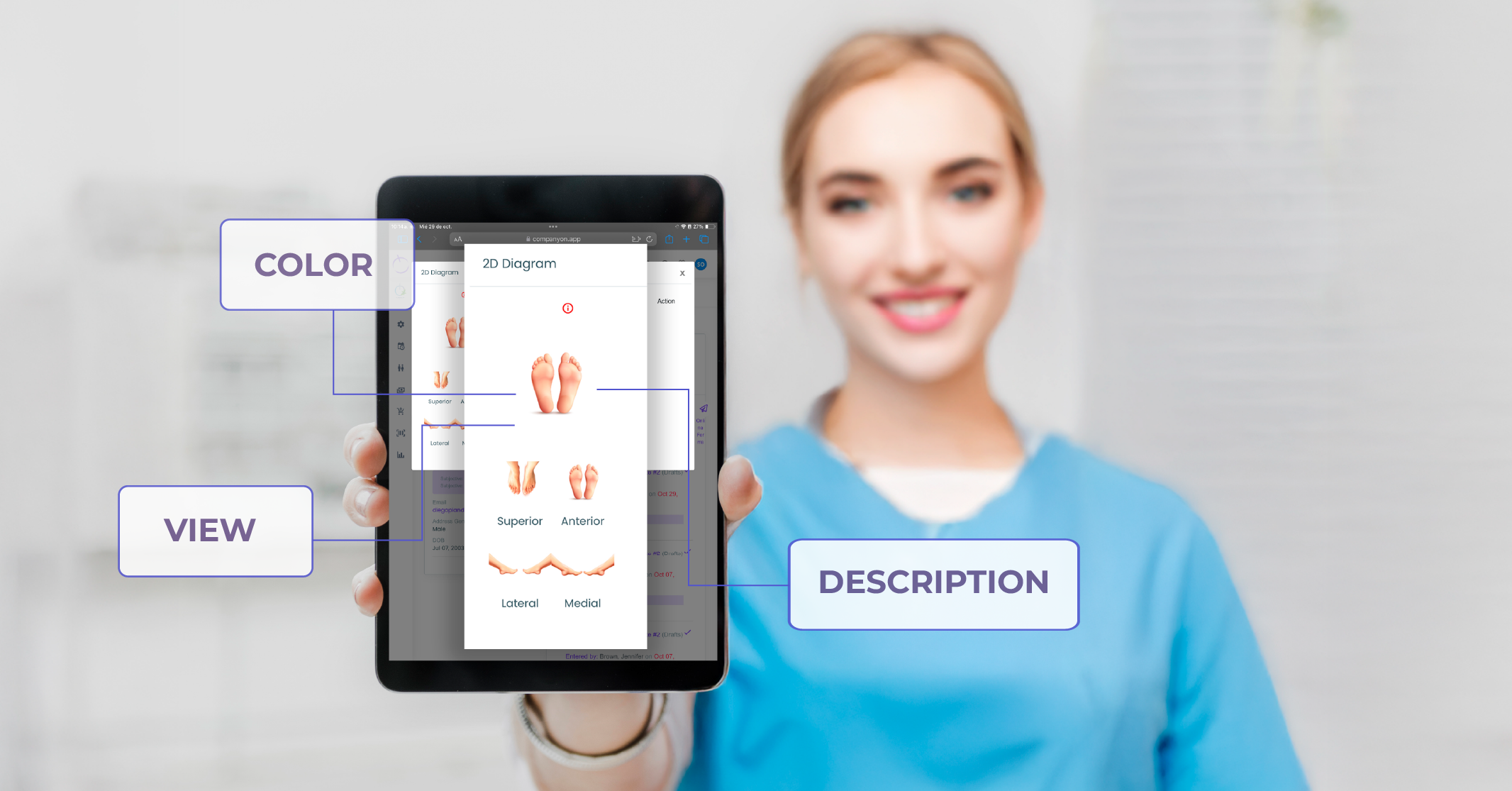
Why Digital Clinical Notes Are Essential for Manual Therapy Practices

In the world of manual therapy—whether you’re a massage therapist, reflexologist, physiotherapist or another hands-on practitioner—your time is valuable. You want to focus on your clients, not paper, filing cabinets or the risks of missing documentation. That’s why moving to digital clinical notes is not just a nice feature—it’s becoming essential for modern practices that want to stay efficient, compliant, and client-centred.

Here’s why adopting digital clinical notes for your therapy practice matters, and how you can implement them to enhance your workflow, security, and patient care.

patient expectations in healthcare

Streamlined Workflow and Time Savings

Paper notes often mean handwriting after the session, sorting files, potentially misplacing items, and spending precious minutes searching for past records. Digital notes change that dynamic entirely. With digital documentation tools like patient charting, therapists save time, reduce errors and quickly retrieve client history.

With digital notes you can:

  • Document the session while details are fresh, reducing inaccuracies.

  • Use templates customized for your modality for consistency and speed.

  • Search and retrieve records in seconds, even between mobile visits or clinics.

Pairing smart workflow automation with your documentation process frees up more energy for what matters most—client engagement and quality care.

Enhanced Security and Compliance

Storing physical files creates risk: damage, loss, or unauthorized access. As regulations tighten, especially around health data, paper documentation can become a liability. Digital clinical notes offer security features that protect your practice.

Benefits include:

  • Encryption and role-based access control

  • Audit logs to track access

  • Automatic backups and disaster recovery

  • Alignment with legal and professional standards

Using tools like e-consent form templates and secure cloud documentation allows you to maintain compliance effortlessly while reassuring clients their information is protected.

Improved Client Care and Continuity

Digital notes aren’t just for internal use—they directly enhance how clients experience care. Reviewing past sessions, planning follow-ups, and ensuring treatment consistency becomes much easier.

You can:

  • Review notes before each session for better treatment personalization

  • Track outcomes and progress over time

  • Collaborate more easily when referrals or multidisciplinary care is needed

Explore how patient management software supports client care from the first appointment to long-term follow-up.

Scalability and Growth

Paper files become a major barrier when your practice grows. More clients means more files, more room for error, and less flexibility.

Digital solutions scale with your needs:

  • Add new practitioners or locations without complicating storage

  • Access records securely from any device

  • Offer mobile visits with access to notes on the go

Practices that move away from manual systems benefit from reduced overhead and greater flexibility. See how strategies to improve appointment scheduling efficiency can complement digital documentation.

How to Transition from Paper to Digital Notes

Moving from paper to digital is easier when broken down into clear steps:

  • Map your current process. Identify documentation types and bottlenecks.

  • Choose a secure digital platform that supports encryption, compliance and mobile access.

  • Create templates based on your treatment style.

  • Train your team (or yourself) and begin using digital notes with current clients.

  • Migrate gradually or digitize only recent and active cases.

  • Monitor feedback and iterate on your process to refine your documentation habits.

Resources like online forms and dynamic forms can help streamline documentation from the start.

Final Thoughts

For manual therapists, digital clinical notes are more than a tech upgrade—they are a strategic advantage. By improving workflow, ensuring compliance, and enhancing client relationships, digital notes help you deliver better care while reducing stress.

With CompanyOn, your practice can evolve confidently into a more efficient, secure and patient-centered operation. Ready to simplify your documentation process? Explore the benefits of using our electronic clinical management platform built for health professionals like you.

Ready to make the switch?

Try Our Platform Free for 14 days.

See CompanyOn in Action

Schedule A Free 1:1 Personalized Demo

What Patients Expect from Their Wellness Practitioner in 2026

As the healthcare industry continues its digital transformation, patient expectations are evolving rapidly. In 2026, wellness clients—from massage therapy to nursing care—are no longer just looking for quality treatment. They seek a complete experience that combines human connection with the efficiency of technology. Convenience, personalization, data security, and a seamless digital experience are now top priorities.

For solo practitioners and small clinics, adapting to these demands isn’t optional—it’s the key to staying competitive and thriving. This article outlines the essential areas where patient expectations are rising, and how you can exceed them to grow your practice confidently.

patient expectations in healthcare

Seamless Online Access and Convenience

Modern patients expect instant access to your services. Their experience starts well before they walk into your clinic, and first impressions are often made online. Being able to connect with your practice easily and on their own terms is non-negotiable.

They want:

  • The ability to book appointments online, any time of day, without having to call

  • Immediate confirmations and timely reminders via text or email

  • Digital intake forms they can complete securely from home

  • The flexibility to access virtual consultations when needed

Practices that offer a streamlined booking system and digital forms improve both patient satisfaction and operational efficiency. These tools reduce administrative workload and missed appointments, making care more accessible for everyone involved.

Personalized and Clear Communication

Generic, one-size-fits-all communication is no longer acceptable. Today’s patients want to feel seen and understood. They expect timely, relevant, and clear communication from their healthcare providers.

This means:

  • Receiving personalized appointment reminders and follow-ups

  • Having transparent access to session fees and what each visit entails

  • Getting post-visit instructions that are easy to follow and tailored to their case

By incorporating tools such as automated appointment reminders and client messaging, you foster a sense of care that strengthens trust. When patients feel heard and informed, they are far more likely to return and recommend your services.

Technology that Enhances the Patient Journey

Technology should enhance the patient experience, not complicate it. In 2026, patients are drawn to providers who integrate digital solutions into every touchpoint of care, from scheduling to follow-up.

A modern patient journey includes:

  • A secure patient portal to manage appointments, forms, and communications

  • Centralized scheduling and billing for faster check-ins and fewer delays

  • Shorter wait times thanks to automated workflows and optimized calendars

  • A hybrid care model offering both in-person and virtual visits

Solutions like CompanyOn help unify these processes into one easy-to-manage platform. Discover how workflow automation tools can elevate your clinic’s performance and boost your reputation among tech-savvy clients.

Data Security and Confidentiality

Healthcare is one of the most sensitive sectors when it comes to data. Patients expect their personal and medical information to be handled with utmost care. Demonstrating that your practice prioritizes data privacy builds trust from the start.

Here’s what they look for:

  • Secure, encrypted forms and digital documentation

  • Clear communication about how their information is used and stored

  • Confidence that your systems meet healthcare compliance standards

Using encrypted e-consent forms and robust charting features ensures compliance and provides peace of mind. It also helps create a professional image that patients value highly.

Measurable Outcomes and Ongoing Relationships

More than just a successful session, patients are seeking results and a long-term relationship with their provider. They want to know their investment—both financial and emotional—is making a difference.

They appreciate:

  • Clear indicators of progress over time

  • Regular updates or assessments of their health goals

  • A sense of continuity and personalized follow-up beyond the appointment

By leveraging digital documentation tools like those available in CompanyOn, you can track improvements and tailor care plans accordingly. This deepens the relationship and shows patients that their well-being truly matters.

How CompanyOn Helps You Meet 2026 Expectations

Adapting to rising patient expectations might seem daunting, but with the right systems in place, it becomes a smooth transition. CompanyOn equips independent wellness practitioners with:

  • Integrated online scheduling, digital intake, and reminder systems

  • Secure recordkeeping and billing tools that reduce errors and stress

  • Patient engagement features like feedback requests and progress tracking

  • Built-in compliance measures that keep your data handling practices aligned with regulatory standards

Explore how our patient management software can support your clinic’s success and simplify your workflow.

Final Thoughts

The future of healthcare is patient-centric, digital-first, and relationship-driven. Meeting the expectations of the modern wellness patient means going beyond great care—it’s about delivering an experience that’s seamless, secure, and truly personalized. Solo practitioners and small clinics who embrace this shift with the help of platforms like CompanyOn are better positioned to grow, retain clients, and create lasting impact. The tools are here. The expectations are clear. The time to elevate your practice is now.

Ready to make the switch?

Try Our Platform Free for 14 days.

See CompanyOn in Action

Schedule A Free 1:1 Personalized Demo

How to Create Standard Operating Procedures (SOPs) for Your Independent Practice

For nurse practitioners and independent healthcare providers, establishing clear and repeatable systems is key to delivering consistent care and managing day-to-day operations efficiently. This is where Standard Operating Procedures (SOPs) come in. Whether you’re onboarding a new team member, automating documentation, or scaling your services, SOPs provide the clarity and structure your practice needs to grow sustainably.

In this guide, we’ll break down how to create SOPs that support your clinical workflows, reduce stress, and improve patient care.

What Are SOPs in a Healthcare Setting?

Standard Operating Procedures are documented instructions that outline how routine tasks and clinical processes should be performed. For independent practices, SOPs help ensure:

  • Consistency in patient care delivery
  • Streamlined clinical workflows
  • Faster training and onboarding
  • Improved regulatory compliance
  • Reduced risk of errors or omissions

1. Identify Key Areas to Systematize

Start by listing all recurring tasks in your practice: – Appointment scheduling (automated scheduling) – Client onboarding (online forms) – Patient charting and documentation (SOAP notes) – Billing and invoicing (billing tactics) – Consent management (eConsent forms)

Each of these deserves a documented SOP.

2. Structure Your SOPs Clearly

Follow a consistent format to make your SOPs easy to follow: – Title of the procedure – Objective: Why this SOP exists – Scope: When and where to use it – Responsibilities: Who is involved – Step-by-step instructionsTools or systems used (CompanyOn platform)

Example: How to create an effective invoicing process

3. Use Digital Tools to Automate SOP Execution

With platforms like CompanyOn, you can: – Embed SOPs into your practice workflows – Use tags and identifiers to trigger steps automatically (tags identifiers) – Assign tasks to team members or automate with reminders

Explore how to digitize your clinic to simplify SOP implementation.

4. Train and Onboard with SOPs

SOPs are powerful training tools for: – New hires – Locum providers – Expanding teams

Include links to video walkthroughs or screenshots where possible. For more onboarding tips, visit our article on how to streamline client intake.

5. Review and Update Regularly

Regulations, tools, and workflows evolve. Set a schedule to: – Review SOPs quarterly – Include compliance updates (regulatory compliance) – Incorporate patient feedback into process improvement (how to use feedback)

Conclusion

Well-documented SOPs reduce the mental load of running your practice and ensure every patient receives consistent, high-quality care. Start with core areas like intake, charting, and invoicing, and expand as you go. With CompanyOn, you can digitize and embed your SOPs directly into your workflow—simplifying operations and supporting growth.

Need help building your SOP library? Let’s simplify your practice, step by step.

Ready to make the switch?

Try Our Platform Free for 14 days.

See CompanyOn in Action

Schedule A Free 1:1 Personalized Demo